
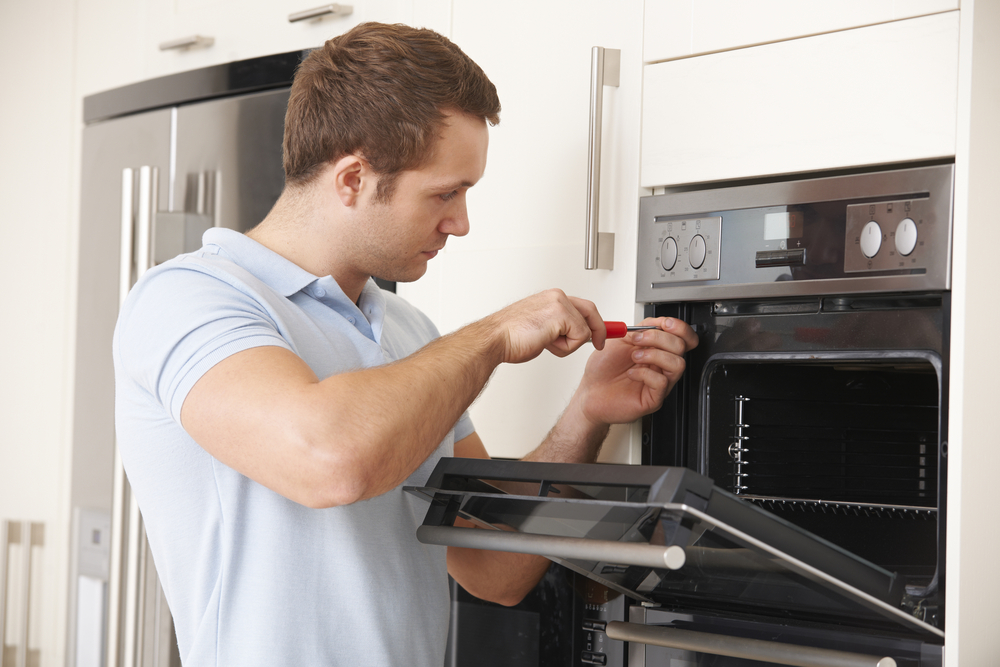
If your oven suddenly stops working, you might be thinking the worst: expensive repairs, long wait times for technicians, or replacing it entirely. But before you panic or reach for your phone to call a professional, it’s worth exploring how to fix oven at home methods that many homeowners in Prescott Valley find surprisingly effective. Whether your oven won’t heat up, has an unresponsive display, or stops mid-cycle, this guide will walk you through diagnosing and fixing common issues yourself.
Ovens are central to most kitchens, used almost daily to cook everything from quick weeknight meals to elaborate holiday feasts. When they fail, it can cause more than just a temporary inconvenience. The good news is that a significant number of problems have straightforward solutions you can try at home, even if you don’t consider yourself particularly handy.
Common Reasons Ovens Stop Working
Understanding why your oven stopped working is the first step toward resolving the issue. Many oven problems fall into just a few categories: electrical faults, control panel issues, broken heating elements, and sensor malfunctions. For electric ovens, a tripped circuit breaker or a blown thermal fuse is often the culprit. For gas ovens, an extinguished pilot light or malfunctioning igniter may be to blame.
If your oven display is off or the unit shows no signs of power, the problem is likely electrical. You should first check your home’s circuit breaker box to see if the breaker has tripped. If it has, reset it and check the oven again. If it trips repeatedly, you may be dealing with a wiring issue or internal short that requires professional help.
On the other hand, if your oven powers on but doesn’t heat, the issue could lie with the heating element. Bake and broil elements can burn out after years of use. Visually inspect these coils inside your oven. If they look damaged or don’t glow red when activated, replacement might be necessary.
DIY Fixes You Can Try Today
Before diving into tools and parts, safety should be your top priority. Always unplug the oven or turn off the gas supply before inspecting or working on any component. After ensuring safety, you can begin with basic steps.
If your oven won’t turn on at all, and you’ve already ruled out the circuit breaker, consider inspecting the oven’s power cord and outlet. Use a multimeter to test the outlet for proper voltage. If the outlet is dead, that’s a job for a licensed electrician. However, if the outlet works fine, then the issue lies within the oven.
For electric ovens that won’t heat, check the continuity of the heating element using a multimeter. If the reading shows no continuity, replacing the element is likely your best solution. Heating elements are relatively inexpensive and can be swapped with minimal tools, usually just a screwdriver and some patience.
In gas ovens, if the burner isn’t igniting, examine the igniter. It should glow when the oven is turned on. If it doesn’t, it may be weak or faulty. Replacing an oven igniter typically involves removing the oven floor, disconnecting wires, and unscrewing the old igniter before replacing it with a new one.
Thermostats and temperature sensors can also fail over time. If your oven heats unevenly or not at all despite a functioning element, the sensor might be the issue. You can test this with a multimeter as well. If the resistance doesn’t match manufacturer specifications, you’ll need to replace it.
Knowing When to Call for Help
Even the most enthusiastic DIYer knows when to call in reinforcements. While many oven repairs are simple enough to tackle at home, some require specialized tools, advanced knowledge, or could be dangerous without proper handling. If you smell gas at any point, stop immediately and contact your gas provider or a professional repair service.
Complex problems like control board failures, extensive wiring issues, or damaged internal components should be left to professionals. Fortunately, finding reliable oven repair across Arizona, especially in Prescott Valley, is easier than ever. Many local repair services offer quick turnaround and transparent pricing, giving you peace of mind without a long wait.
If you’ve attempted several fixes and the problem persists, it may be time to get a technician’s diagnosis. Sometimes, what seems like a major issue turns out to be a quick repair with the right tools and training. A professional can also tell you whether it’s worth fixing the oven or if replacement makes more financial sense.
Tips to Prevent Future Oven Problems
While knowing how-to-fix-oven-at-home can save you time and money, the best approach is often prevention. Routine maintenance, simple habits, and paying attention to warning signs can prevent future breakdowns and prolong your oven’s lifespan.
Make a habit of cleaning your oven regularly. Built-up grease, crumbs, or spills can interfere with heating elements and sensors. Don’t just rely on the self-cleaning feature, manually wiping down interior surfaces after use can prevent long-term grime.
Avoid slamming the oven door, as this can loosen electrical connections over time. Ensure that knobs and dials are turned gently and completely when in use. If your oven has a digital display, avoid pressing buttons with wet or greasy fingers to protect the control panel.
Keep an eye on how long your oven takes to preheat. A gradual increase in preheat times can signal a weakening element or faulty sensor. Addressing these early can prevent complete breakdowns later.
It’s also wise to periodically check the oven’s seal. A cracked or broken door gasket can cause heat loss, leading to inefficient cooking and extra strain on components. Gaskets are inexpensive and easy to replace at home.
Local Resources in Prescott Valley
Residents of Prescott Valley benefit from a tight-knit community with access to both national appliance service chains and reliable local technicians. Whether you’re purchasing a replacement part or booking a professional inspection, knowing where to go is crucial.
Local hardware stores often carry basic oven replacement parts such as bake elements, igniters, and thermostats. Some even offer advice on how to install them. If you’re unsure what part you need, staff may help you identify the issue by describing symptoms.
For more complex repairs or if you simply prefer not to DIY, search for oven repair across Arizona services that are certified and experienced. Look for repair businesses with strong online reviews, clear pricing, and flexible scheduling. Many Prescott Valley companies offer same-day service or free diagnostic visits, making it easier to get back to cooking without delay.
Some appliance repair centers also offer mobile services, allowing technicians to come directly to your home for evaluation and repair. This convenience can make a huge difference, especially for those with limited mobility or tight schedules.
Conclusion
Experiencing an oven that suddenly stops working can feel overwhelming, but it doesn’t have to be. With a solid understanding of how-to-fix-oven-at-home techniques and a cautious, step-by-step approach, many common problems can be addressed without calling in a professional. From checking power connections to replacing heating elements and igniters, a little effort and the right knowledge can bring your oven back to life.
Prescott Valley homeowners are in a particularly good position, with access to both local repair resources and trusted professionals offering oven repair across Arizona. By combining prevention, timely maintenance, and smart decision-making, you can extend the life of your appliance and avoid major disruptions in your kitchen.
If your oven gives you trouble again in the future, don’t panic. Remember the steps, stay safe, and take comfort in knowing that whether you fix it yourself or turn to local experts, solutions are always close at hand.