
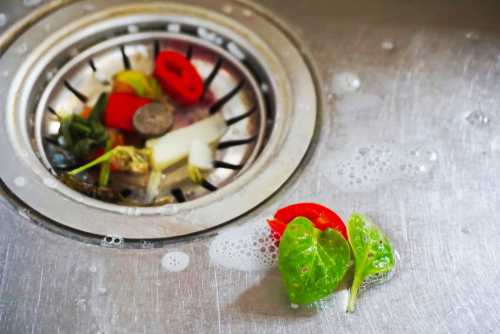
Garbage disposals are one of the most convenient appliances in modern kitchens, making cleanup after meals faster and easier than ever before. However, when a garbage disposal stops working properly, it can quickly become a frustrating problem that disrupts your daily routine. If you live in Prescott, Arizona, understanding how to prevent garbage disposal blockages is essential for maintaining a smoothly functioning kitchen. In this comprehensive guide, we’ll explore practical tips and strategies to help you avoid garbage disposal repair services and keep your system running efficiently for years to come.
How Garbage Disposals Work and Why Blockages Occur
Before diving into prevention strategies, it’s important to understand how garbage disposals function and why blockages happen in the first place. Your garbage disposal uses rotating blades to break down food waste into smaller particles that can safely travel through your plumbing system. However, when certain types of food and debris accumulate, they can create clogs that prevent water from draining properly.
Blockages typically occur when users put inappropriate items down the drain or when grease and food particles combine to form stubborn clogs. In Prescott’s older homes, plumbing systems may be more susceptible to blockages due to smaller pipe diameters and mineral buildup from our hard water. Understanding this connection between usage patterns and blockage risk will help you make better decisions about what you dispose of and how you maintain your system.
The Foods and Items You Should Never Put Down Your Disposal
One of the most effective ways to prevent garbage disposal blockages is to be selective about what you put down your drain. Certain foods and household items should never enter your garbage disposal, as they can cause immediate problems or contribute to gradual buildup that leads to clogs.
Fibrous vegetables like celery, asparagus, and artichokes should be avoided because their stringy nature can wrap around the disposal blades and jam the motor. Similarly, starchy foods such as pasta, rice, and potatoes can expand when wet and create dense blockages that are difficult to clear without professional garbage disposal repair. Grease and oil are perhaps the most problematic substances you can introduce to your system. When hot grease cools, it solidifies and clings to pipe walls, trapping other debris and eventually creating blockages that require extensive professional intervention.
Hard items like nuts, seeds, fruit pits, and bones will not break down effectively and can either damage the blades or create obstructions further down the line. Coffee grounds may seem harmless, but they accumulate quickly and combine with other materials to form stubborn clogs. You should also avoid putting eggshells, onion skins, and vegetable peels down your disposal, as these items contribute to blockages over time. Never put medications, chemicals, plastic, or non-food items down your disposal, as these can cause environmental damage and system failures.
Regular Maintenance Practices That Keep Your Disposal Functioning Smoothly
Consistent maintenance is your best defense against garbage disposal blockages and the need for expensive garbage disposal replacement in Prescott, AZ. Implementing a regular cleaning routine takes just a few minutes but can extend the life of your unit significantly and prevent many common problems.
Once a week, run your garbage disposal with cold water while grinding small amounts of food waste to help flush out any accumulated particles. After using your disposal, always let cold water run for at least 30 seconds to ensure everything has moved through the pipes. Cold water is preferable to hot water because it helps solidify any grease, making it easier to flush away rather than coating your pipes as hot water would.
For deeper cleaning, place several ice cubes down the drain and run the disposal. The ice will help sharpen the blades, remove buildup from the walls of the disposal chamber, and flush away debris. This simple trick should be done once or twice monthly. You can also use biodegradable disposal cleaners or create your own cleaning solution using baking soda and white vinegar. Pour about half a cup of baking soda down the drain, followed by half a cup of white vinegar. Let the mixture sit for several hours or overnight, then flush with hot water to remove loosened debris.
Never use chemical drain cleaners in your garbage disposal system, as these harsh substances can damage the unit and harm the environment. Stick with natural alternatives and mechanical cleaning methods for best results.
Proper Usage Techniques for Your Garbage Disposal System
How you use your garbage disposal daily has a tremendous impact on whether you’ll experience blockages and need garbage disposal repair services. Developing good habits now will save you time, money, and stress in the future.
Always use cold water when running your disposal, and let the water run before, during, and after grinding. Put food waste down gradually rather than stuffing large amounts in at once, as this prevents overloading the system and allows waste to be processed more effectively. Avoid putting liquid grease down your disposal by pouring it into a container to cool and then disposing of it in the trash.
If you need to grind meat scraps, remove bones and gristle first, and only put small amounts down the drain at a time. Cut larger food pieces into smaller chunks before placing them in the disposal, as this reduces strain on the motor and helps the blades work more efficiently. Never reach into a running disposal, and always use tongs or your fingers to retrieve items rather than turning on the unit to flush something out.
Keep the rubber splash guard clean and in good condition, as debris can accumulate underneath and prevent proper drainage. If water doesn’t drain quickly when your disposal is running, turn it off immediately and investigate the cause rather than continuing to run it, which could worsen the blockage.
Signs That Your Garbage Disposal Needs Professional Attention
Even with proper prevention and maintenance, your garbage disposal may eventually develop problems that require professional assistance. Recognizing warning signs early can help you address issues before they become severe enough to require garbage disposal replacement in Prescott, AZ.
Strange noises coming from your disposal, such as grinding, rattling, or squealing sounds, indicate that something is wrong. Slow draining when your disposal is running suggests a blockage is forming. If water backs up into your sink, this is a clear sign of a clog that needs professional attention. Persistent odors coming from your drain mean bacteria and debris have accumulated in the pipes. Most concerning is when your disposal doesn’t turn on at all, as this could indicate an electrical problem or a jam that has seized the motor.
If you notice any of these warning signs, contact a professional plumber in Prescott who specializes in garbage disposal repair rather than attempting to fix the problem yourself, which could make things worse.
Conclusion
Preventing garbage disposal blockages through careful usage, regular maintenance, and proper food selection will keep your kitchen running smoothly and extend your appliance’s lifespan. By following these tips, you can avoid the inconvenience and expense of garbage disposal repair and replacement in Prescott, AZ for years to come.