
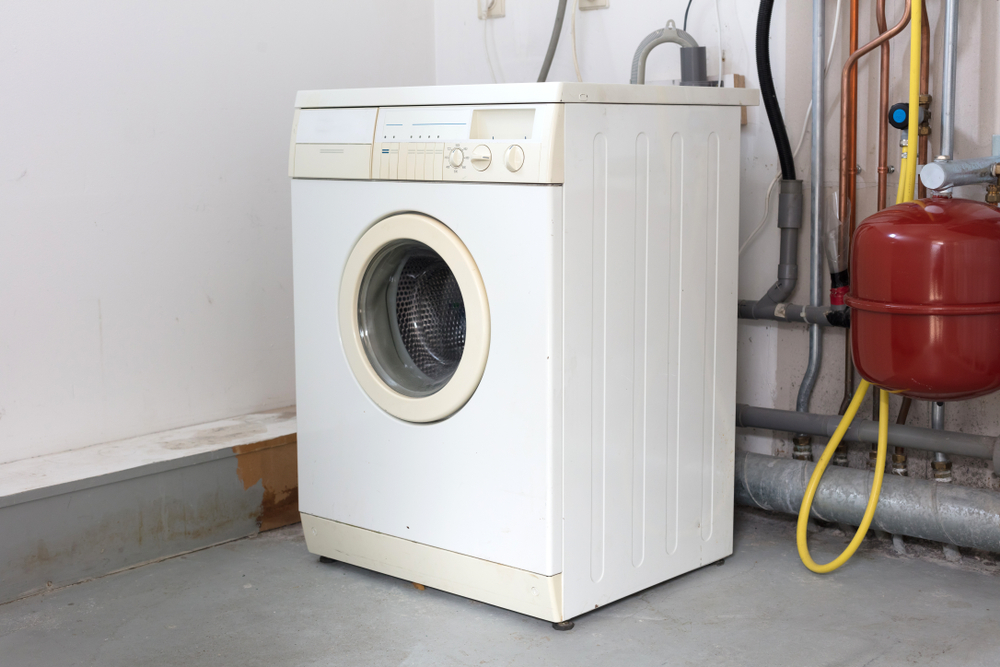
Getting rid of an old refrigerator, washing machine, dryer, or stove is not always as simple as putting it out with the trash. For homeowners in Chino Valley, AZ, appliance disposal requires planning, especially when dealing with heavy equipment, refrigerants, and local waste collection restrictions. Knowing your options can help you avoid unnecessary disposal fees, protect the environment, and make room for a replacement appliance.
Quick Answer: To properly dispose of old appliances in Chino Valley, AZ, start by checking whether the appliance can be repaired, donated, recycled, or collected by a qualified removal service. Refrigerators, freezers, and air conditioners require special handling because they may contain regulated refrigerants. Contact your local waste provider, Yavapai County waste facilities, or an appliance recycling service to confirm accepted items, preparation requirements, and current fees before arranging transportation.
What Chino Valley Residents Should Know
-
Large household appliances may not qualify for regular curbside trash pickup and often require separate arrangements.
-
Yavapai County residents should confirm appliance acceptance policies with the receiving waste or recycling facility before making a trip.
-
Refrigerators and freezers require proper refrigerant handling before recycling or disposal.
-
Homeowners in rural areas outside central Chino Valley may need to arrange transportation or private appliance pickup.
-
Repairing an appliance that still has useful life may be more economical than replacing and disposing of it.
Proper appliance disposal matters throughout the Prescott area, where homes, rental properties, and rural residences may have different waste collection arrangements. Affordable Appliance Repair understands that deciding whether to repair or replace a major household appliance can be an important part of managing home maintenance costs. We encourage homeowners to consider the appliance’s condition before committing to replacement and disposal.
Local Data or Field Observations: Appliance Disposal in Yavapai County
Appliance disposal in Yavapai County generally involves confirming whether a waste facility, recycling operation, retailer, or private hauler accepts the specific appliance being removed. Large metal appliances may be recyclable, but acceptance rules can differ depending on the facility and whether the appliance contains refrigerants or other regulated components.
For homeowners around Chino Valley, Paulden, and Prescott Valley, transportation is another practical consideration. A large refrigerator or washing machine may require a truck, lifting equipment, and assistance to move safely.
Rather than assuming every appliance can go to a county transfer station, residents should contact the appropriate facility and verify its current requirements.
Local Impact: Why Proper Appliance Disposal Matters
Proper appliance disposal helps Chino Valley homeowners reduce unnecessary waste, manage replacement costs, and prevent environmental hazards. Appliances contain materials that can often be recovered, including steel, aluminum, and copper, while certain components require specialized handling.
An improperly discarded refrigerator can create environmental concerns if refrigerants are released. Abandoned appliances can also become physical hazards, especially when accessible to children.
For property owners in the surrounding high-desert communities, unwanted appliances may occupy valuable garage, workshop, or outdoor storage space. Arranging appropriate removal helps keep these areas safer and more usable.
Warning Signs: When an Old Appliance May Need Replacement
An appliance may be ready for replacement when repeated failures, deteriorating components, or increasing repair costs make continued use impractical. However, one malfunction does not automatically mean an appliance has reached the end of its useful life.
Watch for these signs:
-
Frequent breakdowns: The same appliance repeatedly stops working despite previous repairs.
-
Unusual noises: Grinding, rattling, or banging may indicate worn mechanical components.
-
Water leaks: A washing machine, dishwasher, or refrigerator develops persistent leaks.
-
Poor performance: A refrigerator cannot maintain safe food temperatures, or a dryer struggles to dry clothes.
-
Electrical problems: Burning odors, damaged wiring, or repeated breaker trips suggest a potential safety issue.
-
Visible corrosion: Significant rust or deterioration affects structural or functional components.
-
High repair estimates: The cost of restoring reliable operation approaches the cost of a suitable replacement.
An appliance displaying electrical or burning-related warning signs should be switched off when safe to do so and evaluated before further use.
When to Call a Professional Before Disposal
A professional appliance evaluation is worthwhile when a malfunctioning refrigerator, washer, dryer, dishwasher, or cooking appliance might still be repairable. Diagnosing the actual problem can prevent an unnecessary purchase and reduce the number of usable appliances entering the waste stream.
Homeowners can safely check basic issues such as power connections, accessible filters, appliance settings, and obvious obstructions when permitted by the manufacturer’s instructions.
Refrigerant leaks, electrical faults, gas connection problems, and internal mechanical failures should be handled by appropriately qualified professionals.
For Chino Valley households, getting a repair assessment before scheduling appliance removal can help clarify whether replacement is necessary.
Common Local Causes of Premature Appliance Failure
Appliance problems in the Chino Valley area can develop from mineral buildup, dust exposure, installation issues, and ordinary component wear. Local conditions can contribute to certain failures, although the exact cause requires diagnosis.
1. Hard Water and Mineral Deposits
Mineral-rich water can contribute to scale accumulation in dishwashers and washing machines. Over time, buildup may affect water flow, heating components, and cleaning performance.
2. Dust and Restricted Airflow
The dry conditions of Arizona’s high desert can contribute to dust accumulation around appliances. Dirty refrigerator condenser coils and blocked dryer vents may reduce efficiency and increase operating stress.
3. Electrical Disturbances
Power interruptions and voltage fluctuations, including those associated with seasonal storms, can affect electronic appliance controls. Appropriate electrical protection may help with certain risks.
4. Normal Mechanical Wear
Motors, pumps, bearings, seals, and heating elements wear with use. This is common in both newer subdivisions and older homes throughout the Prescott region.
5. Improper Installation or Maintenance
Poor ventilation, unlevel appliances, and neglected filters can contribute to performance problems that may be mistaken for complete appliance failure.
Prevention and Maintenance: How to Extend Appliance Life
Regular appliance maintenance can reduce avoidable breakdowns and help homeowners postpone disposal. In Chino Valley’s dusty, seasonally variable climate, a few preventive habits are especially useful.
-
Clean refrigerator coils: Inspect and clean accessible condenser areas according to the manufacturer’s recommendations.
-
Maintain dryer ventilation: Remove lint after each load and arrange appropriate vent cleaning when buildup or restricted airflow is suspected.
-
Check washer hoses: Look for cracking, bulging, corrosion, and signs of leakage.
-
Maintain dishwasher filters: Clean accessible filters and address mineral deposits using manufacturer-approved methods.
-
Monitor appliance performance: Pay attention to temperature changes, unusual sounds, and longer operating cycles.
-
Prepare for seasonal changes: Inspect appliance connections and ventilation before periods of heavy household use.
Avoid opening sealed refrigeration systems or performing electrical repairs without appropriate training.
Expected Results: What Proper Appliance Removal Accomplishes
Proper appliance removal should leave homeowners with a cleared space, an appropriate disposal or recycling arrangement, and fewer concerns about unsafe handling. The exact outcome depends on the appliance’s condition and the services offered by the chosen provider.
Recyclable metal components may be recovered through an authorized recycling process. Appliances containing refrigerants require proper handling before material recovery.
If the appliance is repaired instead, homeowners may be able to continue using existing equipment without paying for immediate replacement or disposal.
Common Mistakes When Disposing of Appliances
Avoiding common disposal mistakes can save Chino Valley homeowners time, money, and unnecessary trips.
| Common mistake | Possible consequence | Better approach |
|---|---|---|
| Leaving an appliance at the curb without arranging pickup | Missed collection or possible violations | Confirm bulky-item collection policies first |
| Taking a refrigerator to an unverified scrap facility | Rejection due to refrigerant handling requirements | Confirm appliance and refrigerant acceptance rules |
| Moving heavy equipment without assistance | Injury or property damage | Use suitable moving equipment and qualified help |
| Discarding a repairable appliance | Unnecessary replacement expense | Compare repair and replacement costs |
| Leaving an unused refrigerator accessible outdoors | Safety hazards, particularly for children | Secure the appliance and arrange prompt removal |
| Assuming disposal is free | Unexpected transport or processing fees | Ask about current charges before scheduling |
Common Local Scenario: Replacing a Refrigerator in Chino Valley
A common appliance disposal scenario involves a homeowner whose refrigerator has stopped cooling properly during a warm period in Chino Valley. The homeowner may initially assume that buying a new refrigerator and hauling away the old one is the only solution.
However, poor cooling can result from several different problems, including dirty condenser coils, failed fans, faulty temperature controls, or sealed-system issues.
A diagnostic evaluation can help determine whether repair is practical.
If replacement is the better option, the homeowner can ask the appliance retailer about haul-away services or contact an appropriate recycling provider. Refrigerant handling requirements should be confirmed before disposal.
This approach helps avoid prematurely discarding equipment that might still be usable.
Related Service Solutions: Repair Before You Replace
Appliance repair services can help homeowners determine whether a malfunctioning appliance needs replacement or whether a specific component can be repaired. This is especially valuable when disposal and delivery logistics add to the total cost of purchasing new equipment.
A diagnosis may identify a repairable issue affecting cooling, heating, draining, spinning, or normal operation.
At Affordable Appliance Repair, we encourage homeowners to understand their repair options before making a final replacement decision. A clear understanding of the problem can support a more informed choice.
Comparing Your Options: Repair, Recycle, Donate, or Dispose
The best option for an unwanted appliance depends on whether it works, its overall condition, the cost of repairs, and the availability of local removal services.
| Option | Best suited for | Key consideration |
|---|---|---|
| Repair | Appliances with manageable mechanical or electrical problems | Compare repair costs with replacement value |
| Donate | Clean, functional appliances in acceptable condition | Confirm the organization accepts the appliance |
| Recycle | Nonworking appliances containing recoverable materials | Check facility acceptance and refrigerant requirements |
| Retailer haul-away | Appliances being replaced with new equipment | Confirm fees and removal conditions |
| Private removal service | Large or difficult-to-transport appliances | Verify disposal practices and total pricing |
| Approved waste facility | Appliances accepted under facility rules | Confirm location, hours, restrictions, and fees |
For many homeowners, starting with a repair assessment makes sense when the appliance is otherwise in reasonable condition.
Service Areas: Appliance Decisions Across the Prescott Region
Homeowners in Chino Valley and nearby communities such as Paulden, Prescott, Prescott Valley, and Dewey-Humboldt face similar questions about appliance repair, replacement, and responsible disposal. Collection options may vary by address, so residents should verify services available to their particular property.
Cost of Ignoring an Old or Failing Appliance
Ignoring a failing appliance can lead to higher operating costs, additional damage, or unnecessary inconvenience. A refrigerator that no longer maintains safe temperatures may cause food loss, while a leaking washing machine can damage nearby flooring and cabinetry.
An unused appliance left outdoors can also create safety concerns and take up space.
The best response depends on whether the appliance is still operating, has an active safety issue, or is simply awaiting removal.
For local homeowners, addressing the problem early provides more time to compare repair, replacement, and disposal options.
Frequently Asked Questions About Appliance Disposal in Chino Valley, AZ
Where can I dispose of an old refrigerator in Chino Valley, AZ?
Old refrigerators should be taken to a facility or recycling provider that accepts refrigeration appliances and follows applicable refrigerant handling requirements. Contact your waste service provider, Yavapai County waste facilities, or a qualified appliance recycler to confirm current acceptance rules, fees, and transportation requirements before making arrangements.
Can I put a washing machine out with regular trash in Chino Valley?
A washing machine should not be placed out for regular trash collection without confirming that your provider accepts bulky appliances. Collection arrangements vary by service provider and property address. Ask whether a special pickup is available or whether you should transport the machine to an approved recycling or disposal facility.
Do Yavapai County facilities accept old appliances?
Appliance acceptance depends on the specific Yavapai County facility, the appliance type, and current operating requirements. Refrigerators and freezers may be subject to additional restrictions because of their refrigerants. Confirm accepted materials, preparation instructions, operating hours, and fees directly with the facility before loading an appliance for transport.
Can I recycle an old dishwasher in the Prescott area?
Many dishwashers contain recyclable metal components, but recycling acceptance depends on the facility. Residents in the Prescott area should contact a local metal recycler or appropriate waste facility to confirm whether dishwashers are accepted and whether preparation is required. Disconnect water and electrical connections safely before arranging removal.
Should I repair or replace an older appliance in Chino Valley?
Repair may be worthwhile when the appliance is in otherwise good condition and the repair cost is reasonable compared with replacement. Consider its age, overall condition, energy use, and history of breakdowns. A professional diagnosis can help Chino Valley homeowners avoid replacing equipment because of a relatively minor component failure.
Is it safe to remove refrigerant from an old refrigerator myself?
No. Refrigerant recovery requires appropriate equipment and must follow applicable environmental regulations. Homeowners should not cut refrigerant lines, puncture sealed components, or intentionally release refrigerants. Use a qualified provider or approved recycling facility that can confirm how refrigerant recovery will be handled before the appliance is processed.
Can I donate a working appliance near Chino Valley?
A working appliance may be suitable for donation if a local charitable organization or reuse program accepts that appliance type. Acceptance can depend on cleanliness, condition, age, and available storage. Contact the organization before delivering the appliance, and verify whether it provides pickup or requires you to arrange transportation.
How should I prepare a refrigerator for disposal in Arizona?
Remove all food, unplug the refrigerator when it is safe to do so, and follow the receiving provider’s preparation instructions. Clean and dry the interior to reduce odors. Keep the appliance inaccessible to children while awaiting pickup, and ask the disposal provider about any door-removal or refrigerant-handling requirements.
Does an appliance retailer remove old appliances when delivering new ones?
Some appliance retailers offer old-appliance haul-away with delivery, but availability and fees vary. Before purchasing a replacement in the Chino Valley area, ask whether removal is included, whether the old appliance must be disconnected, and whether refrigerators or other specialty appliances have additional requirements.
How much does appliance disposal cost in Chino Valley, AZ?
Appliance disposal costs depend on the appliance type, facility fees, refrigerant requirements, and whether pickup or transportation is needed. Retailer haul-away, private removal, and self-delivery may have different costs. Contact the specific provider for current pricing rather than assuming that recycling or disposal will be free.
Make Responsible Appliance Decisions in Chino Valley
Disposing of an old appliance responsibly starts with understanding whether it can be repaired, reused, recycled, or safely discarded. Chino Valley homeowners can avoid unnecessary expenses and disposal complications by checking local acceptance rules, arranging safe transportation, and evaluating repair options before replacing major household equipment.
Keep Your Appliances Working Longer in Chino Valley, AZ
Before spending money on a replacement and arranging disposal, find out whether your existing appliance can be repaired. We can help you explore repair options so you can make a more informed decision about your household equipment.