
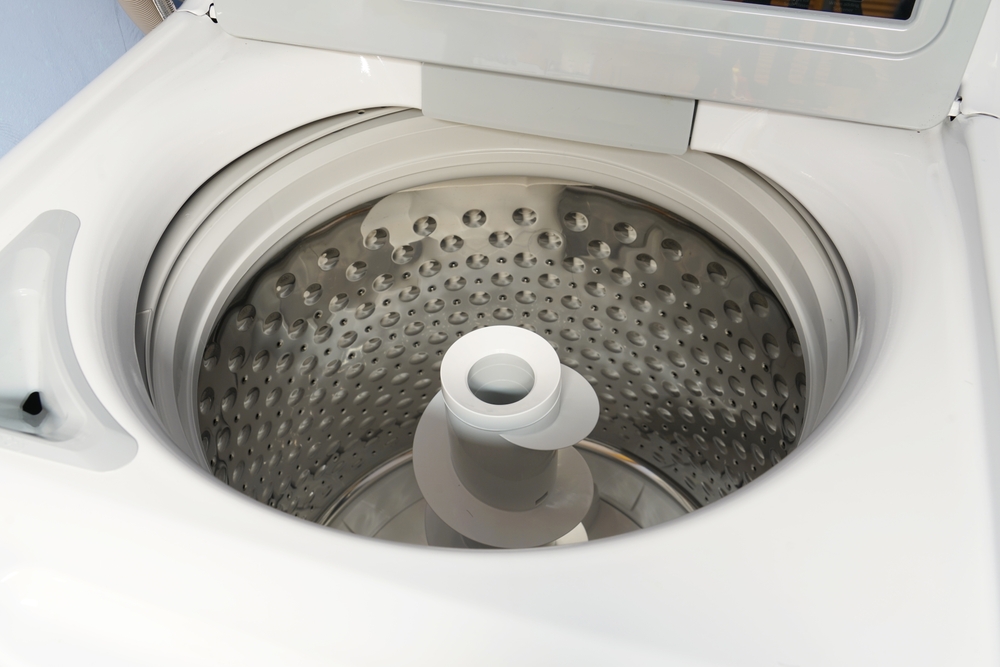
A washing machine that stops working can quickly disrupt a household, especially when laundry starts piling up or clothes come out soaking wet. In Prescott Valley, Arizona, homeowners also have to consider local conditions such as mineral-rich water, seasonal dust, and temperature changes that can affect appliance maintenance. Recognizing common washer problems early can help prevent water damage, reduce unnecessary repairs, and keep laundry routines on track.
The most common washing machine problems include washers that will not drain, fail to spin, leak water, make unusual noises, stop mid-cycle, or leave clothes improperly cleaned. Some problems result from simple maintenance issues, while others involve pumps, motors, electronic controls, or worn mechanical components.
For homeowners in Prescott Valley, identifying the symptoms before scheduling a repair can make troubleshooting easier and help determine whether professional service is necessary.
What Prescott Valley Homeowners Should Know About Washer Problems
The most common washer problems in Prescott Valley involve drainage, spinning, water filling, leaks, and mechanical wear. Local water conditions, dust, and everyday laundry habits can contribute to some of these issues, although the underlying cause depends on the washer’s design, age, and maintenance history.
A few important things to remember include:
-
Hard water can contribute to buildup. Mineral deposits may accumulate around water inlet screens, valves, and other components that contact water.
-
Dust can affect appliance maintenance. Prescott Valley’s dry climate and seasonal winds make it worthwhile to keep laundry areas clean and well ventilated.
-
Overloading increases mechanical strain. Large loads can contribute to excessive vibration, poor spinning, and premature wear.
-
Small leaks deserve immediate attention. Water escaping from a washer can damage flooring, baseboards, and nearby cabinets.
-
Unusual sounds often provide useful clues. Grinding, banging, or repeated clicking can help identify potential mechanical or electrical problems.
Understanding these warning signs helps homeowners distinguish routine maintenance needs from problems requiring appliance repair.
Local Data and Field Observations: How Prescott Valley Conditions Affect Washers
Prescott Valley’s dry climate, seasonal monsoon activity, and varying household water conditions can influence washing machine maintenance. These environmental factors do not automatically cause appliance failures, but they can contribute to buildup, debris accumulation, and wear when routine maintenance is overlooked.
Across the Quad Cities area of Yavapai County, including Prescott, Dewey-Humboldt, and Chino Valley, household water characteristics can vary by water source and treatment system.
Mineral content is especially relevant to washer maintenance. Over time, deposits may restrict inlet screens or interfere with components responsible for controlling water flow.
Seasonal dust is another consideration. Laundry spaces located near garages, exterior doors, or frequently opened windows may collect more airborne debris. Keeping these areas clean can help prevent unnecessary dust accumulation around appliance vents and accessible components.
These are general maintenance considerations based on regional conditions, not verified failure-rate statistics or claims about specific service calls.
Affordable Appliance Repair helps homeowners understand washing machine problems and the repair options available for restoring normal appliance operation. We focus on identifying the cause of a malfunction rather than assuming every symptom requires an expensive replacement.
How Common Washer Problems Affect Local Households
Washer problems can interrupt laundry routines, increase water use, and potentially damage surrounding areas of the home. For Prescott Valley households managing work schedules, school activities, and everyday chores, a malfunctioning washer can create inconvenience that grows when repairs are delayed.
A washer that fails to drain may leave wet clothing sitting in the drum. A machine that repeatedly fills or runs additional cycles can waste water. Excessive vibration can also cause the appliance to move across the floor or place additional stress on internal components.
Leaks deserve particular attention because water can spread beneath flooring before the full extent of the problem becomes visible.
Addressing symptoms promptly can help homeowners limit disruption and make informed decisions about repair.
The Most Common Warning Signs of Washing Machine Trouble
The most common warning signs of washing machine trouble include standing water, incomplete spin cycles, unusual noises, leaks, filling problems, and unexpected shutdowns. These symptoms can point to different failures, so observing when they occur is often more useful than attempting to diagnose the appliance from a single warning sign.
Watch for these seven problems:
-
Washer will not drain. Water remains in the drum after the cycle ends, potentially indicating a blocked drain path, damaged pump, or drainage issue.
-
Washer will not spin. Clothing remains unusually wet because the machine cannot reach or maintain the required spin speed.
-
Water leaks onto the floor. Damaged hoses, loose connections, door seals, or internal components may allow water to escape.
-
Washer makes loud banging or grinding noises. Unbalanced loads, worn suspension components, bearings, or other mechanical problems may be responsible.
-
Washer will not fill properly. Restricted inlet screens, supply problems, or faulty water inlet valves can interfere with filling.
-
Washer stops in the middle of a cycle. Door-lock failures, control problems, electrical issues, or other faults may interrupt operation.
-
Clothes are not getting clean. Incorrect detergent use, overloaded drums, inadequate water flow, or mechanical issues can reduce washing performance.
Repeated symptoms should not be ignored, particularly when they involve leaking water, electrical concerns, or abnormal mechanical sounds.
When to Call a Professional for Washer Repair
Professional washer repair is appropriate when a machine repeatedly fails to drain, spin, fill, or complete cycles despite basic troubleshooting. A technician should also evaluate persistent leaks, grinding noises, electrical faults, and problems involving internal mechanical components.
Homeowners can safely begin with a few simple checks:
-
Confirm that the washer is plugged into a functioning outlet.
-
Check that the water supply valves are open.
-
Inspect visible hoses for kinks or obvious damage.
-
Make sure the laundry load is balanced.
-
Review error codes using the manufacturer’s instructions.
Stop using the washer if water is leaking near electrical connections, there is a burning smell, or the machine makes severe grinding noises.
For Prescott Valley homeowners, promptly addressing water leaks is particularly important in laundry areas with adjacent cabinetry, finished flooring, or limited ventilation.
Our repair approach starts with understanding the symptoms and identifying the components responsible before recommending the appropriate next step.
Common Causes of Washer Problems in Prescott Valley
Common causes of washer problems in Prescott Valley include blocked drainage systems, worn mechanical components, restricted water flow, unbalanced loads, and electrical or control failures. Local mineral content and dusty conditions may add to certain maintenance concerns, but accurate diagnosis requires evaluating the individual appliance.
1. Clogged drain pumps and hoses
Drainage restrictions are a frequent reason washing machines retain water. Small clothing items, lint, coins, and other debris can interfere with the drain pump or hose.
A washer may complete much of its cycle but fail when it reaches the draining stage.
2. Worn suspension and spin components
Repeated heavy loads and normal wear can affect components that stabilize the drum.
When these parts deteriorate, homeowners may notice excessive shaking, banging, or difficulty completing high-speed spin cycles.
3. Restricted water inlet valves
Mineral deposits or debris may collect around water inlet screens and restrict flow.
In homes with mineral-rich water, checking water-related components during maintenance can be particularly useful.
4. Damaged door locks or lid switches
Modern washers rely on safety mechanisms to confirm that the door or lid is properly secured.
When these components malfunction, the appliance may refuse to start, stop unexpectedly, or fail to spin.
5. Electronic control problems
Control boards, sensors, wiring, and related components coordinate the washer’s operation.
Failures may cause unusual cycle behavior, recurring error codes, or complete loss of operation. Electrical diagnosis should be handled by a qualified repair professional.
How to Prevent Common Washing Machine Problems
Preventing common washing machine problems involves using appropriate load sizes, keeping the appliance clean, inspecting hoses, and following the manufacturer’s maintenance recommendations. In Prescott Valley, checking for mineral deposits and keeping dusty laundry areas clean can provide additional maintenance benefits.
A practical routine includes:
-
Monthly: Clean accessible detergent dispensers and inspect the door gasket for trapped debris or moisture.
-
Every few months: Check visible water supply and drain hoses for cracking, kinking, or loose connections.
-
Before monsoon season: Inspect the laundry area for signs of water intrusion and confirm that hoses and connections appear secure.
-
Throughout the year: Avoid overloading the drum and use the detergent type and quantity recommended by the manufacturer.
-
As recommended by the manufacturer: Run the washer’s cleaning cycle and service accessible filters according to the owner’s manual.
Do not remove electrical panels or attempt internal repairs without the proper training.
Routine maintenance cannot prevent every breakdown, but it can reduce avoidable problems and make developing issues easier to recognize.
What to Expect From Professional Washer Repair
Professional washer repair should identify the source of the malfunction and determine whether repairing the affected component is practical. Depending on the symptoms, service may involve checking drainage, water supply, door-lock mechanisms, electrical controls, or mechanical parts.
For example, a washer that will not drain may need a blockage removed or a failed pump replaced. A machine that shakes excessively may require load correction, leveling, or repair of worn suspension components.
Repair results depend on the appliance’s condition and whether additional problems are present. A successful repair should restore the affected function, but it does not eliminate normal wear or guarantee that unrelated components will never fail.
Common Washer Repair Mistakes to Avoid
Common washer repair mistakes include repeatedly restarting a malfunctioning appliance, ignoring leaks, replacing parts without diagnosis, and overloading the drum. These decisions can increase repair costs or create additional damage.
Mistake: Running another cycle when the washer will not drain.
Consequence: More water may remain trapped, and the underlying drainage problem continues.
Better approach: Stop the cycle and investigate safe, accessible drainage checks before arranging service.
Mistake: Ignoring a small leak.
Consequence: Moisture can spread beneath the appliance and affect nearby flooring or cabinets.
Better approach: Shut off the water supply when safe and address the leak before using the washer again.
Mistake: Assuming loud banging is normal.
Consequence: A worn suspension component or other mechanical issue may worsen.
Better approach: Check load balance and appliance leveling, then seek repair if the noise persists.
Mistake: Replacing electronic parts based only on an error code.
Consequence: The replacement may not resolve the underlying problem.
Better approach: Use the error code as a diagnostic clue rather than proof that a particular part has failed.
Common Local Scenario: A Washer That Will Not Spin
A common washer problem in a Prescott Valley household is a machine that completes its wash cycle but leaves clothing dripping wet. The homeowner may initially assume the appliance needs a new motor.
However, several other conditions can cause the same symptom.
An overloaded drum may prevent the machine from balancing correctly. A drainage restriction may keep the washer from entering its full spin cycle. A faulty lid switch, door lock, or suspension component may also interfere with operation.
The appropriate repair depends on identifying which condition is present.
This example illustrates a typical troubleshooting situation rather than a documented customer repair.
Washer Repair Services That Address Common Problems
Washer repair services address problems involving water flow, drainage, spinning, leaks, electronic controls, and worn mechanical parts. The correct service depends on the washer’s design and the specific failure.
Potential repair solutions include:
-
Drain pump diagnosis and replacement
-
Water inlet valve troubleshooting
-
Washer leak diagnosis
-
Door-lock and lid-switch repair
-
Spin and suspension system repair
-
Electrical and control system troubleshooting
We can help homeowners evaluate malfunction symptoms and determine the next step toward restoring reliable laundry operation.
Repair or Replace: Which Option Makes More Sense?
Repairing a washing machine generally makes sense when the appliance is otherwise in good condition and the repair cost is reasonable compared with replacement. Replacement may be more practical when the washer has multiple major failures, extensive corrosion, or a repair estimate approaching the cost of a comparable new machine.
| Situation | Option to consider |
|---|---|
| Clogged drain or minor component failure | Repair |
| Damaged water inlet valve | Repair |
| Worn suspension components | Compare repair cost and condition |
| Major bearing or transmission failure | Compare repair and replacement |
| Multiple recurring failures on an older washer | Consider replacement |
| Extensive structural or corrosion damage | Replacement may be more practical |
Homeowners should also consider appliance age, parts availability, warranty coverage, and the cost of installation or removal when comparing options.
A professional diagnosis can help prevent replacing a washer that may only need a manageable repair.
Washer Problems Across Prescott Valley and Nearby Communities
Washer problems affect households throughout Prescott Valley and neighboring Yavapai County communities, including Prescott, Dewey-Humboldt, and Chino Valley. Homes near Glassford Hill, the Viewpoint area, and other parts of the Quad Cities region can experience similar drainage, spinning, and water supply issues.
Although local environmental conditions may influence maintenance needs, each appliance should be evaluated based on its symptoms rather than its location alone.
The Cost of Ignoring Washer Problems
Ignoring washer problems can lead to additional appliance damage, wasted water, interrupted laundry routines, and moisture damage around the installation area. The potential cost depends on the original failure and how long the machine continues operating improperly.
A minor hose leak, for example, can become a flooring problem if water repeatedly escapes behind the washer. A failing mechanical component may also damage other parts when operation continues under excessive vibration.
Not every warning sign requires emergency repair, but recurring leaks, electrical symptoms, and severe mechanical noises justify prompt attention.
Frequently Asked Questions About Washer Problems in Prescott Valley
What is the most common washing machine problem in Prescott Valley?
Drainage problems, spinning failures, leaks, and filling issues are among the common washing machine problems homeowners may encounter. There is no verified local ranking establishing one as the most frequent. In Prescott Valley, water mineral content and regular household use are additional considerations when evaluating maintenance and repair needs.
Can hard water damage a washing machine in Prescott Valley?
Yes, mineral-rich water can contribute to deposits around inlet screens, valves, and other water-contact components. The extent depends on the home’s water supply and the appliance’s maintenance. Homeowners can consult local water quality information and follow manufacturer recommendations for cleaning and maintaining their washer.
Why does my washer make loud banging noises during the spin cycle?
Loud banging usually indicates an unbalanced load, an improperly leveled washer, or a problem with suspension or other mechanical components. Start by redistributing the laundry and checking that the appliance sits firmly on the floor. If the noise continues with normal loads, professional diagnosis is recommended.
Is it worth repairing an older washing machine in Yavapai County?
Repairing an older washing machine can be worthwhile when the failure involves a relatively inexpensive component and the appliance is otherwise reliable. Consider the repair estimate, age, parts availability, and replacement cost. Major mechanical failures or repeated breakdowns may make replacement a more practical long-term decision.
Why is my washing machine not draining completely?
A washing machine may fail to drain because of a blocked hose, obstructed pump, damaged pump motor, or another drainage system problem. Check the manufacturer’s instructions for safe troubleshooting. If water remains in the drum or the problem repeats, a professional can evaluate the drainage components.
How often should Prescott Valley homeowners maintain their washing machines?
Prescott Valley homeowners should follow the washer manufacturer’s maintenance schedule, with regular attention to cleaning cycles, hoses, detergent dispensers, and accessible filters. Monthly visual checks are useful, especially in laundry spaces exposed to dust. Homes with mineral-rich water may also benefit from closer attention to water inlet components.
Can monsoon season affect washing machines in the Prescott area?
Monsoon season can create conditions that affect appliances, particularly when water intrusion or electrical disturbances occur. A properly installed indoor washer is not automatically at risk from seasonal storms. However, homeowners should inspect laundry spaces for moisture and avoid operating appliances that show signs of water or electrical damage.
Should I repair a washer that leaks only occasionally?
Yes, an occasional washer leak should be investigated because even small amounts of water can damage nearby materials over time. The source may involve a hose, connection, door gasket, or internal component. Stop using the appliance until the cause is identified, especially if water is near electrical equipment.
Why does my washer stop before finishing a cycle?
A washer may stop mid-cycle because of a door-lock problem, drainage failure, electrical issue, sensor fault, or electronic control malfunction. Check the display for error codes and review the owner’s manual. If the problem happens repeatedly, professional troubleshooting can help identify the component responsible.
Keep Your Laundry Routine Running Smoothly
Understanding common washer problems helps Prescott Valley homeowners recognize warning signs, avoid unnecessary damage, and make better repair decisions. Whether the issue involves standing water, excessive vibration, a leaking hose, or an interrupted wash cycle, addressing the cause is the most effective way to restore dependable operation.
With attention to local water conditions, seasonal dust, and routine appliance maintenance, homeowners throughout the Quad Cities area can take practical steps to protect their washing machines.
Get Your Washer Working Again in Prescott Valley
A broken washing machine should not leave your household dealing with repeated laundry delays. We can help you take the next step toward identifying the problem and finding an appropriate repair solution.